
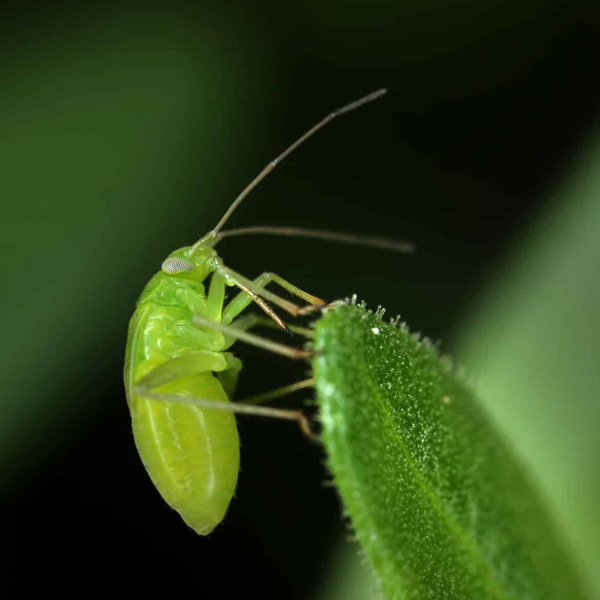
Have you looked up at the trees recently? The red maples flowers are swelling and the weeping willow stems are much brighter yellow. Soon all trees will be in full leaf set. It also means that insects will be hatching from their egg stage and will start to feed on those upcoming leaves. Preventative medicine is the best way to keep your plants healthy.
Now is the time to apply All Seasons Horticultural and Dormant Oil and it is labeled for organic gardening. A superior type paraffinic oil that may be used as a growing season spray, dormant spray (no leaves) or delayed dormant (green tip) spray to control overwintering eggs of red spiders, scale insects, aphids, bud moths, leaf roller, red bug, codling moth, blister mites, galls, whitefly, mealy bugs and other insects and diseases. Highly recommended for use on fruit trees, shade trees, shrubs, ornamentals, roses and vegetables. Safe and pleasant to use.
I apply it to all my plants each year and have found that the plants are thriving because they don’t have to battle the spring pests which arrive with the warm temperatures. I want to have a yard full of color and beauty and not have to worry about being married to the maintenance.
Soon we will be enjoying the colors and textures from all of the plants in our landscapes. Don’t let these pests take hold.